Squamous Cell Carcinoma In Cats Prognosis
Oral squamous cell carcinoma is a malignant tumor that may occur anywhere within the oral cavity is locally invasive infrequently metastasizes to ipsilateral regional lymph nodes and rarely spreads to distant sites12 The most common site of oral squamous cell carcinoma in cats is the sublingual region Figure 1. 5078617 PubMed - indexed for MEDLINE.

Squamous Cell Carcinoma Vetfolio
The prognosis for oral squamous cell carcinoma in cats is guarded with a median average survival time of less than one month.

Squamous cell carcinoma in cats prognosis. The prognosis for cats with oral squamous cell carcinoma is poor because of a lack of viable treatment options. The prognosis for SCC in cats depends on the tumor location biological behavioraggressiveness of the tumor including whether or not the tumor has spread and whether or not the tumor can be completely removed with surgery. Sadly at this time the prognosis for these cats is usually poor regardless of treatment.
The immunohistochemical expression of the p53 tumor suppressor protein has been reported in 24 to 65 of feline oral squamous cell carcinomas but no study has systematically evaluated in this tumor the presence of. Despite their common cell of origin SCC tumors display different characteristics in dogs and cats among them prevalence preferred sites. It can affect any part of your cats skin but is most likely to develop on their ears nose or eyelids hairless areas with little protection from sunlight.
About 2-4 months with less than 10 of cats surviving to one-year post-diagnosis. If lymph nodes under the jaw mandibular lymph nodes are affected they will typically be removed during surgery. J Small Anim Pract.
Squamous cell carcinoma SCC is a tumor of the cells that make up the contact or upper layer of the skin. If the skin eruptions go unnoticed however the cancer can progress spread to other parts of the body and ultimately prove fatal. To compare the log odds of positive lymph nodes LODDS with the number of positive lymph nodes pN lymph node ratio LNR removed lymph node RLN count and negative lymph node NLN count in determining the prognosis of patients with esophageal squamous cell carcinoma ESCC after esophagectomy.
Consistently studies indicate an average life expectancy of only 1 to 3 months. CT scans of the headneck are helpful to be performed prior to surgery to determine the extent of disease as well as for surgical planning. Most cats are humanely euthanised due to the inability to eat or pain associated with the oral mass.
Multiple different treatments have been explored including radical surgery chemotherapy radiation therapy hyperthermia cryotherapy anti-inflammatory therapy and combinations of the above. The late presentation is one of the factors contributing to the detrimental prognosis of this disease. Squamous cell carcinoma affecting the tongue in cats carries a poor prognosis.
Squamous cell carcinoma SCC is a skin cancer that if caught in its early stage will most likely be harmless and easily treated. If a guardian notices a small wound on a cats nose that doesnt heal in a few days or some rough edges on the ear pinnae it should be checked out by a veterinarian within a week or two. Fine needle aspiration or biopsy may be performed for diagnosis.
Areas affected include the ear tips skin toes or peri-ocular region. As with any cancer the earlier a feline oral squamous cell carcinoma is diagnosed and treated the more likely it is that treatment will provide benefit. Squamous cell carcinoma is the most common malignant oral tumor in cats.
The records of patients with ESCC who received esophagectomy were. The prognosis with surgery chemotherapy or radiation therapy is similar. Squamous cell carcinoma is a skin cancer.
According to North Carolina State University cats with oral squamous cell carcinoma survive an average of two to four months with treatments such. Oral squamous cell carcinoma generally is associated with a poor prognosis regardless of treatment. UV light exposure has been described as a developmental factor in people and appears to be associated with the development in cats.
Skin tumors in general are the second most common type of feline cancer diagnosed at the Cornell University. Squamous cell carcinoma is never good news for a cat but early detection and treatment can make all the difference. The overall prognosis depends on tumor location size and whether or not metastasis is present at the time of diagnosis.
Squamous cell carcinoma SCC is a locally invasive malignant tumor that arises from a cell type known as the keratinocyte aka squamous cell the primary cell type found in the skin and mucous membranes. In some cases the tumour arises in a site that is. Survival usually ranges from 3-6 months with treatment but can be longer depending on tumor size stage and location as well as the type of treatment pursued.
The prognosis in cats bearing squamous cell carcinoma. SCC is much more common in white cats ginger cats and those with light coloured skin because their skin is more vulnerable to UV-light. Unfortunately the overall prognosis for cats with oral squamous cell carcinoma is guarded.
A month or two could actually be too late with the rate at which some of these tumors can.

A Review Of Feline Oral Squamous Cell Carcinoma
Isfm Member International Society Of Feline Medicine Facebook


Squamous Cell Carcinoma In Lacey Wa Dermatology Clinic For Animals
My Cat Has Squamous Cell Carcinoma Dr Justine Lee America S Veterinarian Dr Justine Lee
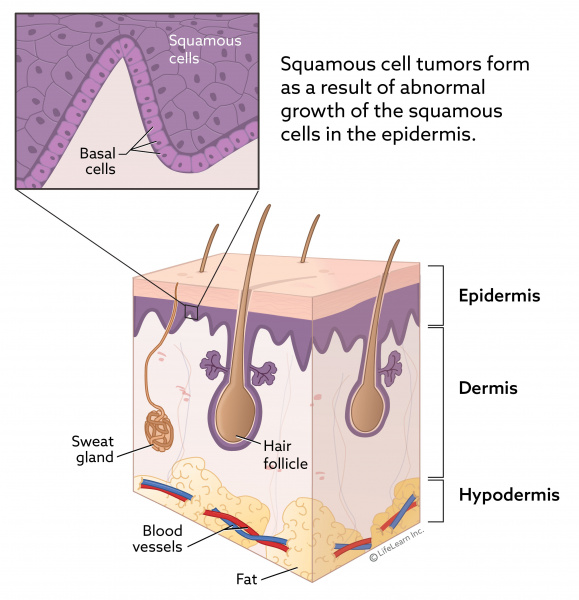
Squamous Cell Carcinomas In Cats Vca Animal Hospital

Mickey The Cats Scrape With Skin Cancer With Franklin Vets
Surgical Treatment Of Squamous Cell Carcinoma Of The Nasal Planum In Cats Hellenic Journal Of Companion Animal Medicine
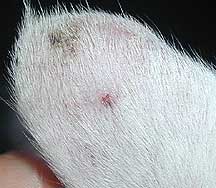
Squamous Cell Carcinoma In Pets Long Beach Animal Hospital
Squamous Cell Carcinoma In Dogs And Cats Vet360
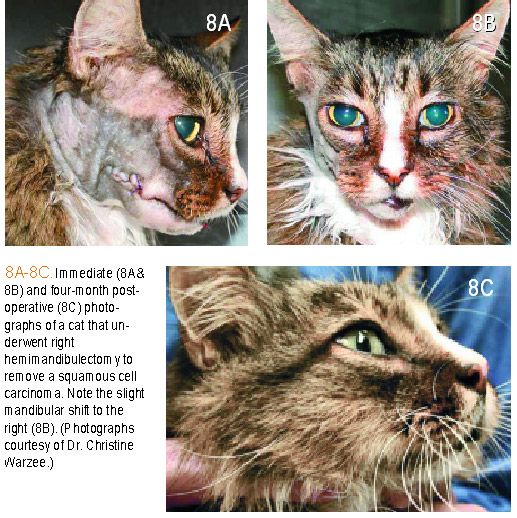
Feline Oral Squamous Cell Carcinoma An Overview

Cat 7 Squamous Cell Carcinoma On Nose Stage T4 Two Sessions Of Download Scientific Diagram

A Review Of Feline Oral Squamous Cell Carcinoma

Home Jonathan Wood Veterinary Surgeons

Cat 6 Squamous Cell Carcinoma On Nose Stage T2 One Ect Session Download Scientific Diagram
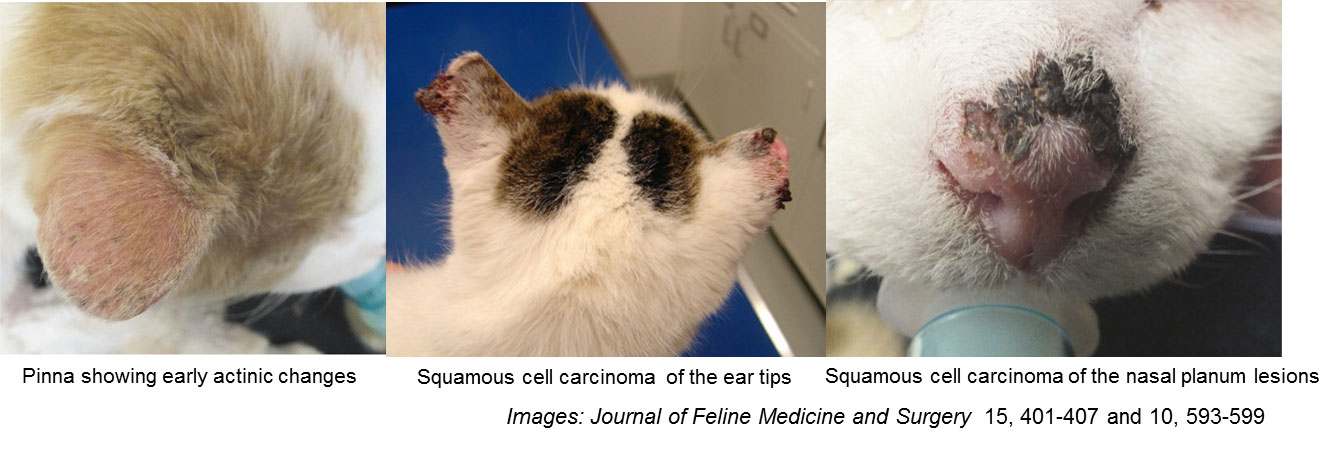
Cutaneous Squamous Cell Carcinoma In Cats Associated Factors

A Review Of Feline Oral Squamous Cell Carcinoma

Cat 4 Squamous Cell Carcinoma On Nose Stage T2 One Download Scientific Diagram

Squamous Cell Carcinoma In Dogs And Cats Vet360
Feline Squamous Cell Carcinoma


Posting Komentar untuk "Squamous Cell Carcinoma In Cats Prognosis"